Why Attend?
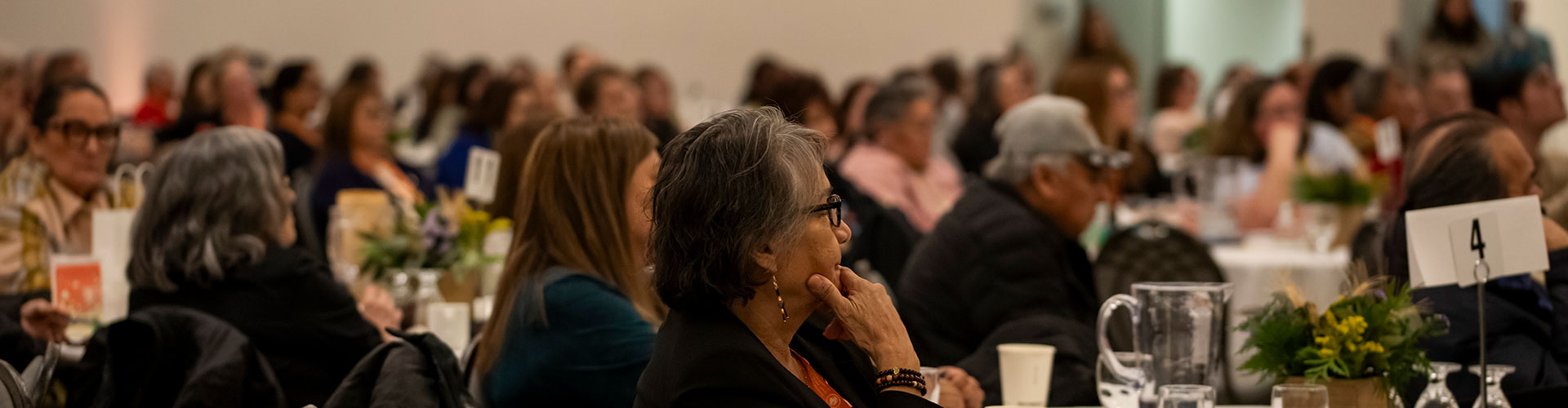
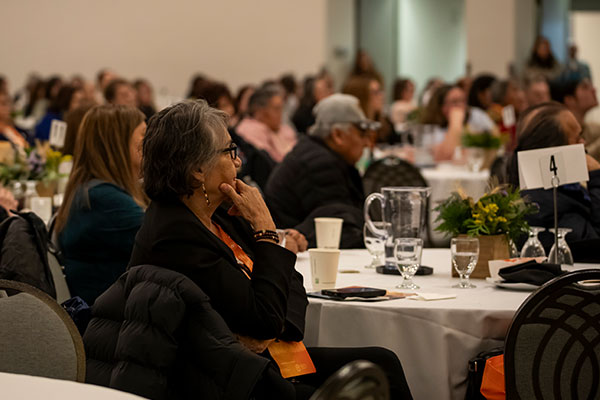
IHHG brings Indigenous and non-Indigenous participants into a shared space for learning.
IHHG is designed for people preserving, strengthening, and sharing Indigenous histories, cultures, languages, and stories, and for people whose professional decisions, services, policies, or partnerships affect Indigenous Peoples and communities.
Who Participates?
Indigenous Participants
- Residential School, Day School and Intergenerational Survivors
- Elders, Knowledge Keepers and community leaders
- First Nations, Inuit and Métis governments, organizations and community members
- Language, culture, heritage and education practitioners
- Indigenous historians, researchers, storytellers, artists, media makers and tourism professionals
- Indigenous businesses, service providers, funders and project leaders
- Youth and emerging leaders
Non-Indigenous Participants
- Museums, archives, libraries, cultural organizations, historians, curators and researchers
- Municipal, provincial, territorial and federal public servants and elected leaders
- Corporate leaders, Indigenous relations teams, managers and employees whose work involves Indigenous communities
- Educators, administrators and post-secondary institutions
- Health, justice, legal and social service professionals
- Media, communications, publishing and creative professionals
- Tourism, planning, infrastructure and community development professionals
- Nonprofits, charities, foundations, associations and community partners
If your work affects Indigenous communities or depends on strong relationships with Indigenous partners, IHHG is relevant to you.
What Participants Gain
For Indigenous Community Participants
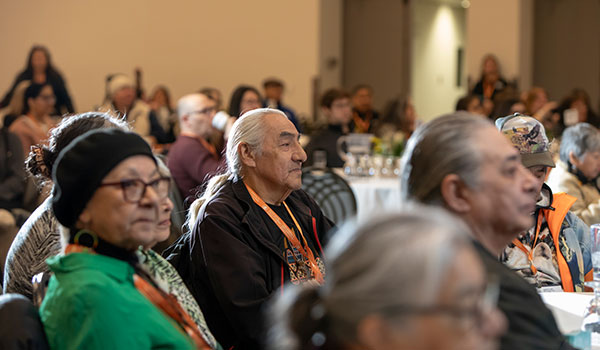
IHHG is a place to share community knowledge, learn from peers, and strengthen projects that preserve, revitalize, and advance Indigenous histories, languages, cultures, and priorities.
Learn from practical examples of community-led language, culture, storytelling, archival, mapping, repatriation, commemoration and heritage work.
Explore funding, program and partnership pathways that may support community objectives.
Strengthen approaches to oral history, records access, data sovereignty, research and the protection of community knowledge.
Share experiences and lessons with other First Nations, Inuit and Métis communities and organizations.
Build connections with funders, institutions, researchers, service providers and potential project partners.
Bring greater visibility to community-led priorities, achievements and models that others can learn from.
Return home with practical ideas, contacts and resources that can help move projects forward.
For non-Indigenous Community Participants
IHHG helps professionals and organizations build the understanding that should come before policy, programming, partnership or public communication involving Indigenous Peoples and communities.
Hear directly from Survivors, Elders, Knowledge Keepers, leaders and practitioners rather than relying only on second-hand interpretation.
Understand the historical and present-day context that shapes relationships, rights, services, institutions and public trust.
Recognize denialism, misinformation and the minimization of Indigenous truths, and understand the harm they cause.
Learn how your organization can respond more responsibly through education, policy, service design, communication and leadership.
Improve the way you begin, maintain and evaluate relationships with Indigenous communities and partners.
Identify assumptions, gaps or practices within your own organization that require attention.
Bring credible learning back to colleagues, leadership teams and the communities you serve.
Build relationships across sectors with people committed to truth, learning and sustained action.
What You Can Take Back to Your Organization
A stronger understanding of the context behind the work
Better questions to ask before making decisions
Examples and resources to support internal learning
Connections that can support continued dialogue
A clearer sense of your role and responsibilities